Maximising Asset Lifespan: Operating Practices That Shorten Industrial Laundry Machinery Life
In the heavy industrial laundry sector, machinery represents a massive capital investment. While these robust systems are engineered to endure rigorous, continuous operation, their lifespan is heavily dictated by daily operational habits. Subtle deviations from best practices can quietly accelerate component wear, leading to premature asset failure and costly downtime. Understanding the primary operational practices that shorten machinery life is essential for safeguarding your bottom line.
The Dangers of Capacity Extremes
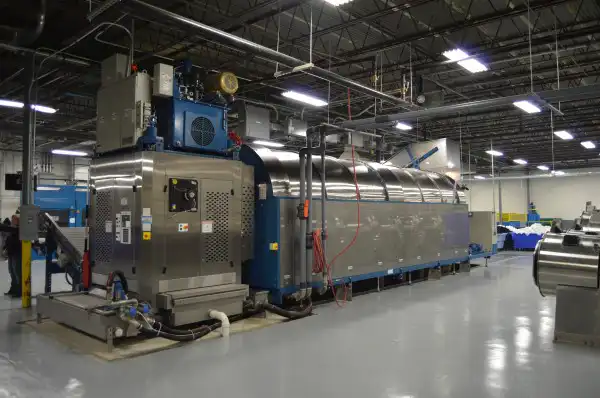
It is a common misconception that pushing a machine to its physical limit maximises efficiency. Overloading washer-extractors, tunnel washers (continuous batch washers), or heavy-duty dryers places immense strain on drive motors, bearings, and belts. In washers, excess weight prevents the cylinder from dropping properly, leading to mechanical shock and structural fatigue.
Conversely, underloading is equally destructive. When an open-pocket washer is under-filled, the load cannot distribute evenly during the high-speed extract cycle. This creates severe out-of-balance forces that hammer the suspension systems, shocks, and bearings, drastically shortening their operational life.
Temperature and Programming Errors
Operating industrial equipment at excessive temperatures accelerates the degradation of critical components. High heat hardens rubber seals, compromises lubricants, and places unnecessary thermal stress on metal cylinders and components. This risk is compounded by incorrect operating settings. Modern industrial laundry machinery relies on precise, programmable cycles tailored to specific fabric types and weights. When operators bypass these settings—such as using incorrect chemical injection timings, improper water levels, or excessive extraction speeds—the mechanical components are subjected to forces they were not programmed to handle.
Pushing Design Parameters
Every piece of industrial laundry equipment is engineered with a strict set of intended design parameters. Operating outside these boundaries is a fast track to mechanical failure.
This includes:
- Processing linen weights or material types beyond the machine’s rated specification.
- Bypassing integrated safety and operational limits to speed up production on finishing lines like ironers and folding machines.
- Modifying utility inputs, such as steam, compressed air, or water pressure, beyond manufacturer guidelines.
When a machine is forced to perform tasks it was not built for, internal components experience accelerated micro-fatigue, leading to catastrophic structural failures long before the machine’s expected retirement date.
The Compounding Toll: Reduction in Efficiency and Quality
When operators push machinery past design limits or bypass standard programming, it triggers a destructive cycle marked by a sharp reduction in efficiency and quality.
This operational decline impacts the entire plant in several critical ways:
- Escalating Costs: Substandard wash or finish quality requires extensive rework. This duplicates chemical formulas, wastes utilities, inflates labor hours, and drives up operational overhead.
- Delayed Timelines: As bottlenecks form at the washers or finishing lines and goods must be reprocessed, plant milestones slip. This creates severe backlogs and leads to missed delivery deadlines.
- Damaged Reputation: Delivering stained, damp, or poorly folded linen directly erodes customer trust, resulting in negative client feedback and a rapid loss of market share.
The Cost of Poor Maintenance
Even the most perfectly operated machine will fail prematurely under poor maintenance regimes. Industrial laundries operate in highly corrosive, lint-heavy environments. Neglecting basic tasks—such as daily lint removal in dryers, routine lubrication of heavy-duty bearings on ironers, and regular belt tension checks on folders—forces components to work harder to achieve the same output. Minor alignment or lubrication issues quickly snowball into major mechanical breakdowns, permanently reducing the asset’s total operational lifespan.
Protect Your Plant: Professional Training for All Industrial Processes
Protecting your heavy industrial machinery requires a culture of operational discipline. The most effective way to eliminate these destructive habits and prevent drops in processing quality is to equip your team with the right expertise.
Summary: Breakdown of Root Causes of Premature Machine Wear
- Capacity Extremes (30%): Mechanical shock and out-of-balance forces from overloading and underloading.
- Poor Maintenance (25%): Build-up of lint, dry bearings, and slack drive belts working components too hard.
- Pushing Design Parameters (20%): Forcing ironers or folders beyond specifications and tampering with utilities.
- Programming & Temperature Errors (15%): Thermal stress from high temperatures and incorrect chemical/wash sequences.
- Operational Inefficiencies / Other (10%): Compounding plant backlogs and processing micro-fatigue.
About the author
Russell Macfarlane is a senior Manager with over 30 years of experience helping the largest commercial laundry organisations in Australia become the most efficient. Based in Sydney, he specialises in designing high-performance industrial solutions that optimise floor throughput, slash utility overheads, and secure sustainable operational profitability.